
Tuberculosis remains a major public health challenge in India, particularly in rural and underserved regions where limited access to healthcare, poverty, malnutrition, and overcrowding continue to drive disease transmission and poor outcomes. The burden of tuberculosis becomes more complex when it coexists with other chronic conditions such as diabetes mellitus and HIV, which can adversely affect immunity, delay recovery, and increase the risk of adverse treatment outcomes. Understanding the interaction between tuberculosis and co-morbidities is therefore essential for improving disease control strategies, especially in high-burden rural settings.
A cross-sectional study was conducted in Kalahandi district of Odisha, a region recognized for its high tuberculosis burden and vulnerable population. The study analyzed secondary data obtained from the District Tuberculosis Centre, including records of one hundred TB patients aged 18 to 65 years. Systematic sampling was used to ensure representation across all thirteen administrative blocks of the district. Due to COVID-19-related constraints, the study relied solely on anonymized programmatic data without direct patient interaction. Variables assessed included demographic characteristics, type of tuberculosis, presence of co-morbidities such as diabetes and HIV, and documented treatment outcomes.
The majority of patients included in the study were male, reflecting a gender disparity commonly observed in tuberculosis notification data. Pulmonary tuberculosis constituted the predominant form of disease, consistent with national trends, as respiratory symptoms often lead to earlier detection. Most patients did not have any recorded co-morbid conditions; however, a notable proportion was identified with diabetes mellitus, while small percentages were living with HIV. Diabetes was more frequently observed among male patients, indicating a potential intersection of gender-related risk factors and lifestyle changes in rural populations. Treatment outcomes varied according to the presence or absence of co-morbidities. Patients without associated conditions demonstrated better treatment success, with higher cure and treatment completion rates. In contrast, patients with diabetes mellitus experienced comparatively poorer outcomes, including higher mortality and loss to follow-up, despite representing a smaller subset of the study population. Extra-pulmonary tuberculosis cases were associated with less favorable outcomes, likely due to diagnostic delays and greater clinical complexity. Although all HIV-positive patients in this study achieved cure, the limited number of cases restricts broader interpretation.
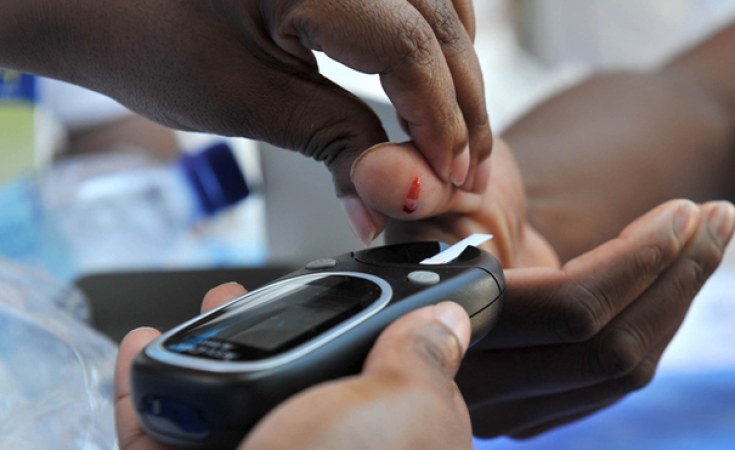
The findings emphasize that tuberculosis is not merely an infectious disease but is closely linked with non-communicable diseases and underlying social determinants of health. Diabetes mellitus increases susceptibility to tuberculosis by impairing immune function and complicates disease management by affecting treatment response and recovery. Conversely, tuberculosis can worsen glycaemic control, creating a bidirectional burden. In rural areas such as Kalahandi, these challenges are compounded by limited healthcare infrastructure and inadequate integration of communicable and non-communicable disease services. This study highlights the emerging challenge of tuberculosis and diabetes co-morbidity in rural Odisha and its impact on treatment outcomes. While the overall treatment success rate was moderate, the presence of diabetes was associated with increased vulnerability to adverse outcomes. Strengthening routine screening for diabetes and HIV among TB patients, integrating care at the primary healthcare level, improving data systems, and enhancing community awareness are critical steps toward improving tuberculosis control. Addressing tuberculosis effectively requires a holistic and patient-centered approach that goes beyond infection management to include co-morbid conditions and socio-economic factors influencing health outcomes.
About the author:
Srinivas Bishoyi, is a Junior Research Fellow & PhD Scholar at the Department of Public Health, Yenepoya Deemed to be University, Mangalore, India.