

Honesty, often summarized as “the best policy,” extends far beyond moral virtue. Emerging psychological and physiological research reveals that truth-telling profoundly influences both mental and physical health. Chronic dishonesty triggers stress responses that harm the body and mind, while embracing honesty fosters better well-being, stronger relationships, and even protective effects against certain diseases. In a world where small “white lies” seem harmless, understanding these connections underscores why cultivating sincerity can be a powerful health strategy.

Arecanut is a plant mainly growing in South Asia and extends a bit towards east Asia. Largely the fruit of A. Catechu is preferred for chewing due to its nicotinic property and nervous excitation and naturally this has been linked to having carcinogenic properties by the World Health Organization (WHO). As per estimates, arecanut is consumed by 10-20% of the world’s population, making it the fourth largest addictive substance being consumed after nicotine, alcohol and caffeine.

In many Indian homes today, a common piece of advice is often heard“Stop eating rice and switch to chapathi if you want to be healthy.” This belief has become so widespread that many people assume avoiding rice is the key to weight loss and better health.
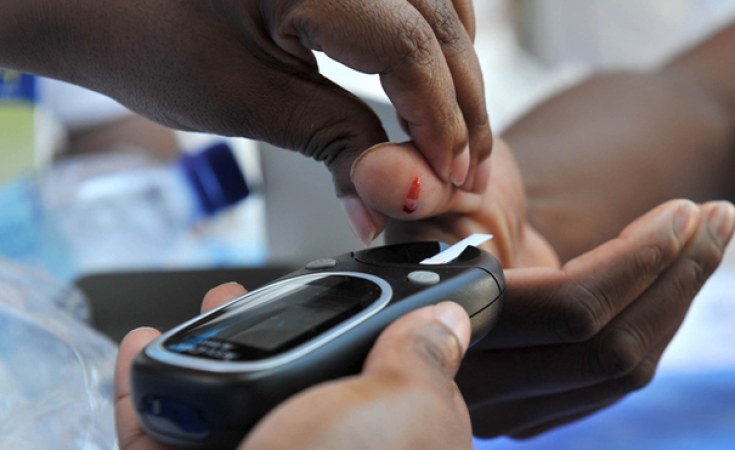
Tuberculosis remains a major public health challenge in India, particularly in rural and underserved regions where limited access to healthcare, poverty, malnutrition, and overcrowding continue to drive disease transmission and poor outcomes. The burden of tuberculosis becomes more complex when it coexists with other chronic conditions such as diabetes mellitus and HIV, which can adversely affect immunity, delay recovery, and increase the risk of adverse treatment outcomes. Understanding the interaction between tuberculosis and co-morbidities is therefore essential for improving disease control strategies, especially in high-burden rural settings.
.jpg)
In India, fatty liver disease, primarily non-alcoholic fatty liver disease (NAFLD), now termed metabolic dysfunction-associated steatotic liver disease (MASLD)—has emerged as a major public health crisis.
.jpg)
Gujarat, often hailed as India's growth engine with its bustling ports, industrial hubs, and per capita income surpassing the national average, harbors a stark paradox: a persistent malnutrition crisis that undermines its economic sheen.
.jpg)
Some countries, due to their special cultural and social context, have more cultural, ethnic, and religious diversity than other parts. Societies like India, Iran, and other neighboring countries may have more variations or differences than other countries. Of course, it cannot be said that other countries are exempt from this, while today most countries are facing the phenomenon of immigration.
.jpg)
In today’s globalized world, cultural and ethnic diversity is a defining feature of societies. Leveraging this diversity can help address social problems and abnormal behaviors among adolescents. By focusing on effective communication strategies, we can engage our target audience, understand their needs, and create a supportive environment that encourages cooperation and advocacy for better policies.
.jpg)
The term multiculturalism is a concept that has recently been emphasized by various societies for productivity in education, especially in the sociology of education. Despite the expansion of international communication between countries, cross-cultural (cultural diversity) among ethnic groups and people in a society is also of particular importance.
.jpg)
Street food in India has always been more than just food. It’s an experience, a culture, and for many, an everyday indulgence. From the tangy pani puri stalls on street corners to late-night pav bhaji after a long day, the city thrives on its vibrant food scene.
.jpg)
Human health and well-being primarily thrive on the kind of food consumed. A fast-paced life and growing restaurant business has no doubt led to more jobs which fuels the economy in its own way. But the kitchens in these restaurants are unchecked, not monitored for food standards, food hygiene, cook hygiene and location hygiene, including maintenance hygiene.
.jpg)
The heritage of the globe today remains fractured and fragile with a world order in chaos and diplomacy being thrown to the wind. A peace actor in this can be rising interests in global public health alone, which binds the cords of mankind together.